Featured
Table of Contents
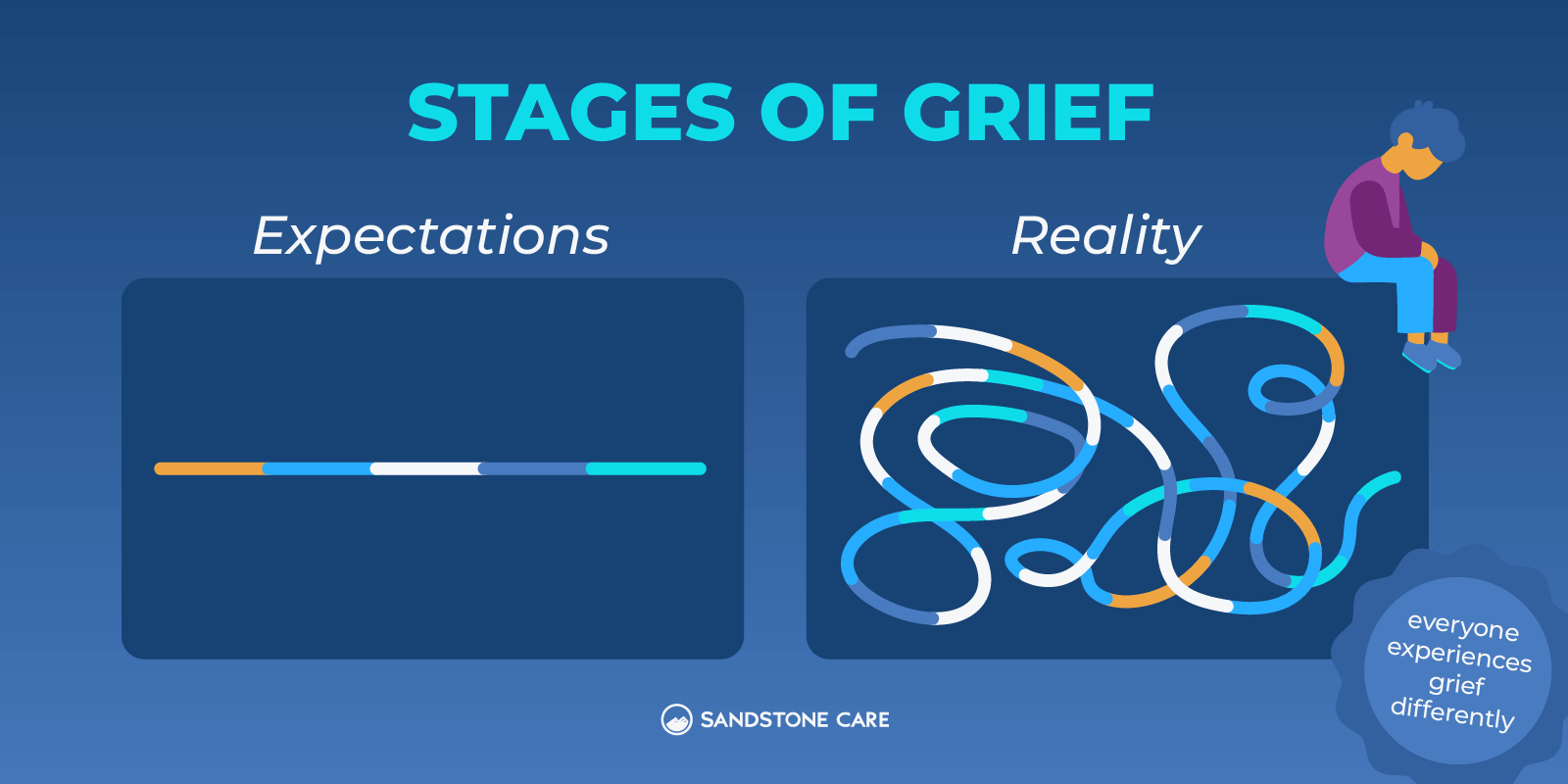
Despair is a difficult procedure that differs from person to individual. The five phases of pain rejection, temper, negotiating, anxiety, and approval are a practical framework for considering pain, however it does not mean we'll undergo every phase. Likewise, we can experience these facets of sorrow at different times, and they don't take place in one particular order.
This website uses cookies to aid personalise web content, customize your experience and to maintain you visited if you register. By remaining to utilize this site, you are granting our usage of cookies.
The seven phases of pain are a theme for exactly how an individual may regret. This cyclical framework is implied to help you much better comprehend your sensations and is not planned to recommend just how you must grieve, what you should be feeling, or in which order. Everyone grieves in a different way. Each stage might reoccur or overlap the others.
If you would love to find out more about your private grieving procedure, it's an excellent concept to connect to a relied on psychological health and wellness professional to understand on your own far better and develop ideal coping strategies. Discover more regarding the 7 stages of pain. Despair can be a challenging and unpleasant process. When a loss happens, one of the initial things you might experience is shock.
How Success Cannot Heal Psychological Struggles
That's due to the fact that no person can ever be genuinely planned for a loss so significant. When you are in shock after a loss, you might act generally or as if nothing has actually taken place. Most of the time, this is since your body has actually not processed the loss. You might really feel like the circumstance hasn't "sunk in" right now.
These feelings and experiences are self-protective devices that function as a barrier to ensure that you are not bewildered simultaneously. Because the death of a liked one can have such a significant impact on you, you could experience rejection. During this phase of grief, it is merely as well tough for your brain to understand that your member of the family, pal, or other liked one is gone.
As you slowly start to accept the loss and what it implies for your life currently, your denial will start to decrease. You might have a wider variety of feelings and feelings when rejection diminishes. Up until after that, you might have periods when you feel distressed, which can be triggered by tips of your enjoyed one.
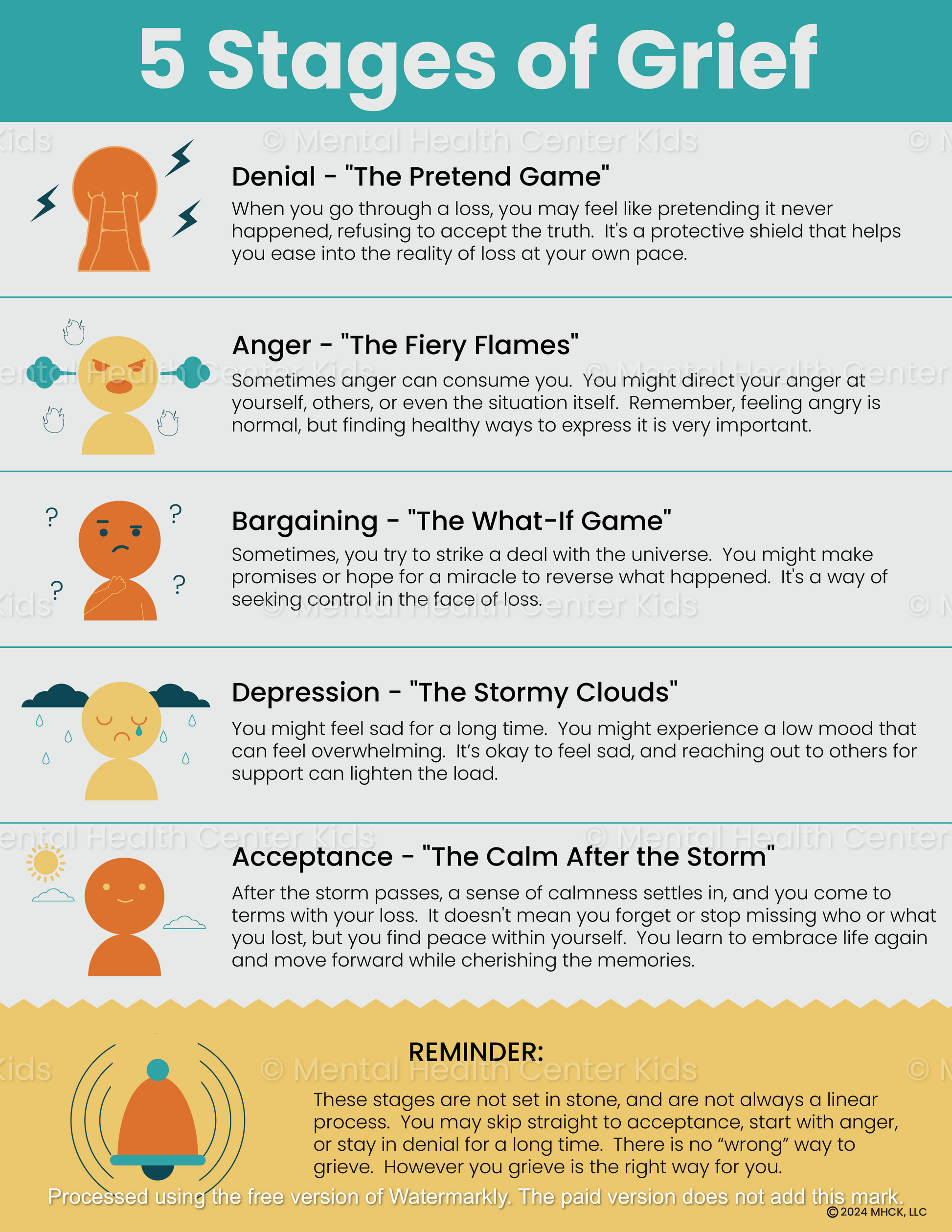
In some situations, it's a normal sensation to intend to prevent others to make sure that you do not have to recognize or discuss your loss. Occasionally, you feel absent-minded, get conveniently sidetracked, or put things off during this stage of pain. You may additionally try to stay active all the time or closed down psychologically.
Releasing from Self-Doubt Through Therapy in Your Area
In particular situations, you could additionally really feel angry with the medical care suppliers, your good friends, member of the family, God, or any type of other spiritual being(s) you count on. But under all that anger is your discomfort. While it may be unpleasant to manage, it supplies much more structure to your mourning than remaining numb.
During this stage, people commonly really feel defenseless and hopeless and ask themselves "what if" questions. You may really feel guilty for refraining more to maintain the loss from taking place or for not investing more time with the person you lost. Throughout the negotiating phase, it prevails to ask yourself or state, "I must have done this ..." or "If I had actually only done that ..." While these types of questions are regular, they are not where you want your mind to remain.
Achievement Shame in High-Performing Professionals
Rather, attempt considering any good memories you have with them. Sometimes, simply assessing these ideas can aid you release the guilt. It might also be valuable to do something certain, like create a letter to your liked one or talk with them out loud. As soon as you come to terms with the fact of the loss, a deeper degree of despair might start to creep in.
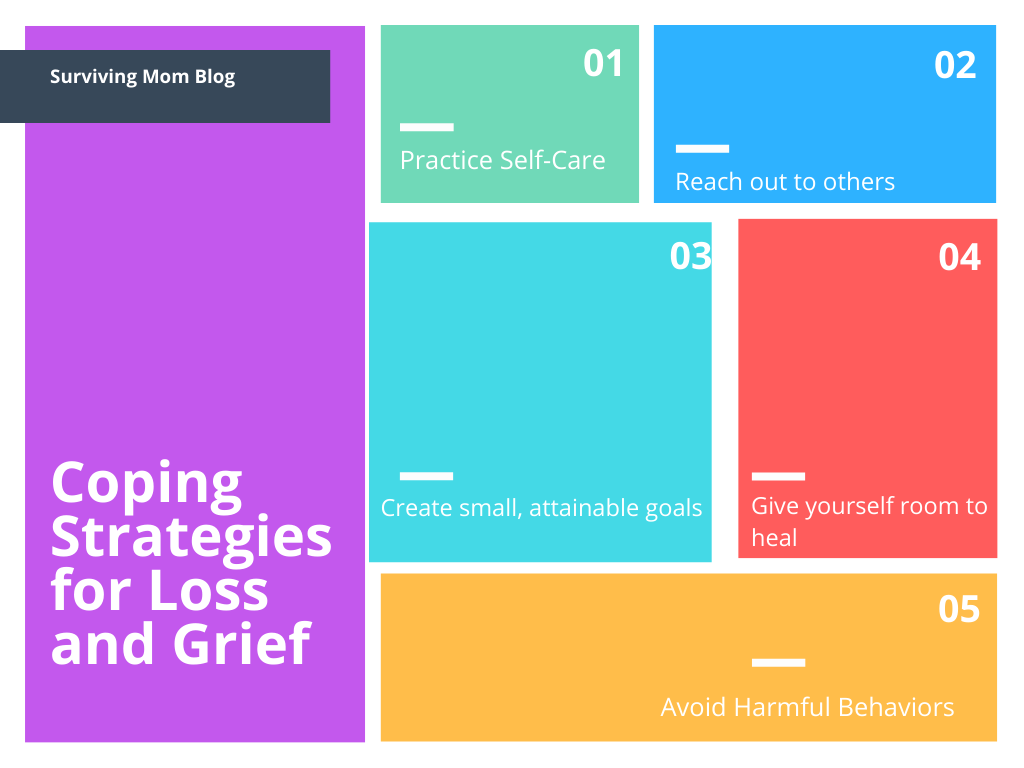
You can additionally check out for a listing of added sources or call the number listed below to get to Compound Abuse and Mental Health And Wellness Services Management (SAMHSA) hotline. The testing phase of the mourning process frequently includes trying different things that help you move on. In this stage, you are beginning to develop your brand-new regular in addition to processing your feelings and feelings produced by the loss.
Reaching the acceptance phase does not indicate you are OK with what happened. Instead, this component of the grieving process is much more concerning accepting what your life appears like now. You will still require to listen to your feelings and adjust, however you will begin to feel more wholeeven if it looks different than it did previously.

Table of Contents
Latest Posts
Recognizing When One-on-One Therapy Can Help for Work Challenges and Burnout
Social Anxiety in High-Achieving Individuals
Breaking Free: Comprehending the Facility Connection In Between OCD and Injury
More
Latest Posts
Recognizing When One-on-One Therapy Can Help for Work Challenges and Burnout
Social Anxiety in High-Achieving Individuals
Breaking Free: Comprehending the Facility Connection In Between OCD and Injury